3D printing has grown from a niche hobby into a legitimate business opportunity worldwide and the Philippines is no exception. With increasing demand for customization, rapid prototyping, and small-batch production, many Filipinos are now asking a practical question:
Can you actually make money from 3D printing in the Philippines?
The short answer: yes, but only if you approach it strategically.
The State of 3D Printing in the Philippines
The local market is still developing, which is both an advantage and a challenge. Compared to more mature markets, competition is lower but awareness is also limited.
Growth is being driven by:
- Small businesses needing custom parts and prototypes
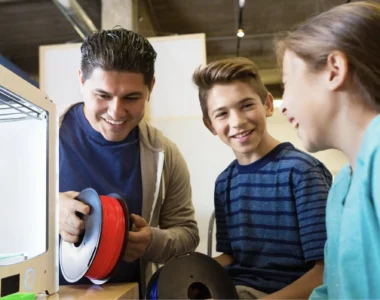
- Students and schools adopting 3D printing for projects and research
- Hobbyists and collectors looking for figurines, cosplay items, and accessories
- Entrepreneurs exploring on-demand manufacturing
Startup Costs: How Much Do You Need?

Starting a 3D printing business is relatively accessible compared to traditional manufacturing.
Basic Setup
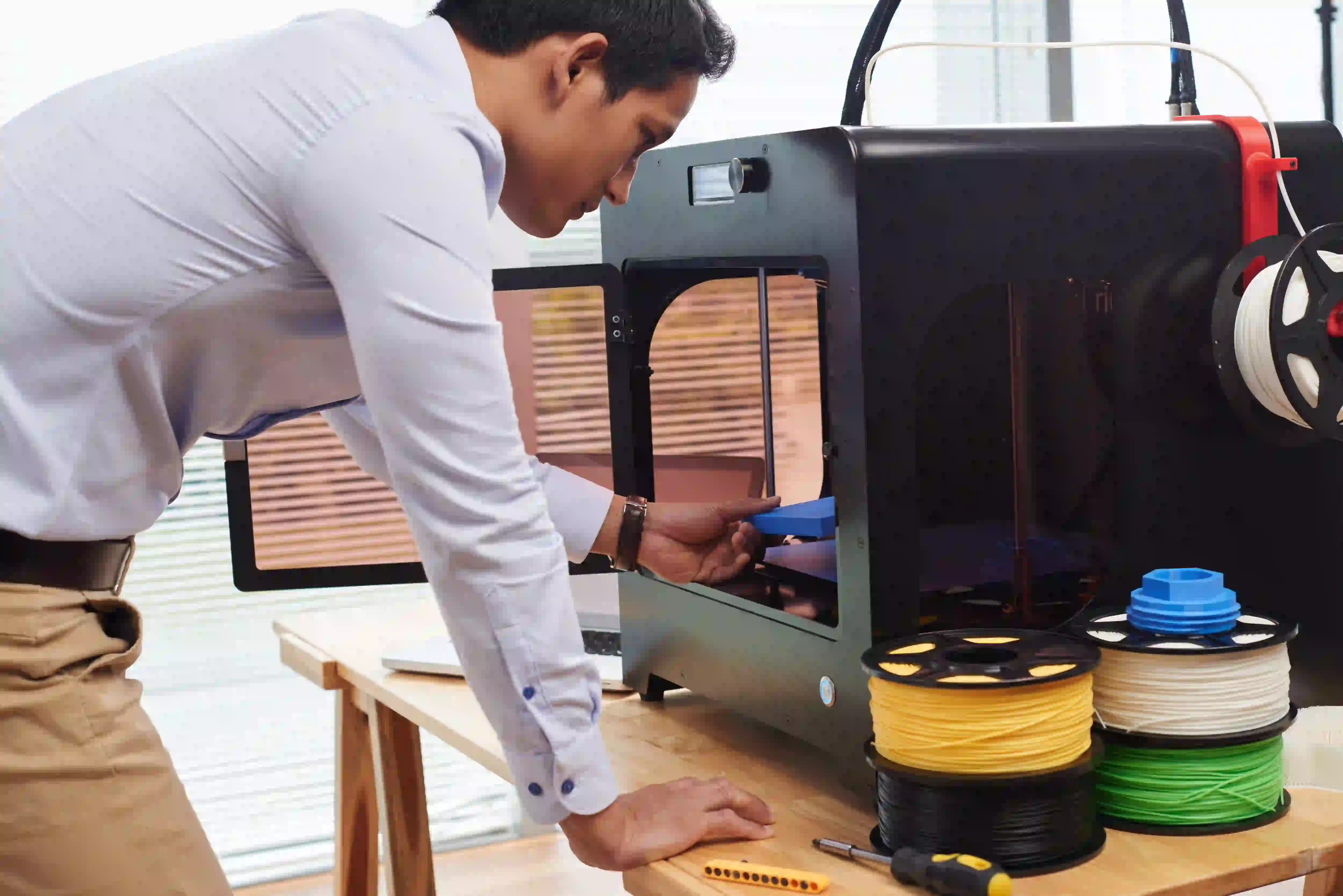
- Entry-level printer (e.g., from Bambu Lab): ₱15,000 – ₱60,000
- Filament materials: ₱800 – ₱1,500 per spool
- Electricity + maintenance: relatively low
You can realistically start with ₱20,000–₱50,000, especially if you begin small and scale gradually.
Where the Money Is: Profitable Niches

1. Custom 3D Prints (High Demand)
- Personalized keychains, phone stands, nameplates
- Corporate giveaways
- Event souvenirs
These sell well on platforms like Shopee and Facebook Marketplace.
2. Prototyping Services (High Value)
- Engineering and architecture students
- Startups building MVPs
This segment pays more per project and is common near universities like University of the Philippines Diliman.
3. Replacement Parts (Underrated but Profitable)
- Appliance knobs, clips, brackets
- Automotive interior parts
Customers are willing to pay for convenience when parts are hard to find locally.
4. Cosplay & Collectibles
- Figurines
- Props and armor pieces
This is a growing niche, especially with fandom communities in the Philippines.
5. B2B Printing Services
- Printing for small businesses
- Batch production of components
This offers more stable, repeat income compared to one-off orders.
Pricing: Can You Actually Earn?
A typical pricing model includes:
- Material cost
- Machine time
- Labor/design fee
Example:
- Cost to print item: ₱50
- Selling price: ₱150–₱300
Profit margins can reach 50%–200%, depending on complexity and demand.
However, success depends heavily on:
- Consistent orders
- Efficient production
- Good customer service
Challenges You Should Expect

Let’s be realistic, this isn’t passive income.
1. Market Education
Many customers still don’t fully understand 3D printing, so you’ll need to explain value.
2. Competition
Low barriers to entry mean more sellers are entering the space.
3. Trial and Error
Print failures, calibration issues, and material waste are part of the learning curve.
4. Pricing Pressure
Some sellers underprice heavily, which can affect margins.
5. Consideration on when to upgrade
Eventually there will be a time where you will want to upgrade your printer or add a second one to your crafting space this is something to highly consider given that like other forms of technology 3D Printing is one that evolves overtime.
Is It Worth It in 2026?
Yes, but only under the right conditions.
3D printing in the Philippines is most profitable if you:
- Focus on a specific niche (not generic printing)
- Build a presence on online marketplaces
- Offer design + printing (not just printing)
- Treat it like a business, not just a hobby
Where to Start: Finding the Right Partner

If you’re new to 3D printing, one of the biggest challenges is knowing where to begin—what printer to choose, what materials to use, and how to actually turn prints into profit.
This is where working with a trusted local provider like Puzzlebox 3D Printing Solutions can make a difference.
Puzzlebox 3D Printing Solutions not only offers a curated selection of reliable 3D printers (including beginner-friendly options), but also provides guidance tailored to the Philippine market.
For entrepreneurs, this means:
- Access to machines suited for small business use
- Local support and faster troubleshooting
Insights into what products and niches actually sell
For schools, hobbyists, and startups, having a local partner reduces the trial-and-error phase—which can save both time and money.
Instead of figuring everything out alone, many successful 3D printing businesses start by learning from providers who already understand the local demand and ecosystem.
Why This Matters for Profitability
In a developing market like the Philippines, success in 3D printing isn’t just about owning a machine, it’s about having the right setup, knowledge, and support system.
Working with experienced providers like Puzzlebox 3D Printing Solutions can help bridge that gap, especially for beginners looking to turn 3D printing into a real income stream.