
Sub-Total: ₱0.00
3D PrintingBusiness Ideas You Can Start in 2026
Digital Fabircation
Manufactory in 2026 is not an activity reserved for big factories and corporations with substantial capital. With digital fabrication, people can make a business using small machines and cheap materials. The most important factor in manufactory today is speed, customization, and adaptability.
For entrepreneurs operating with limited capital, 3D printing and laser cutters present a feasible and scalable means of entering into manufacturing without taking undue risk.
3D Printing: The Lowest-Cost Entry into Digital Manufacturing
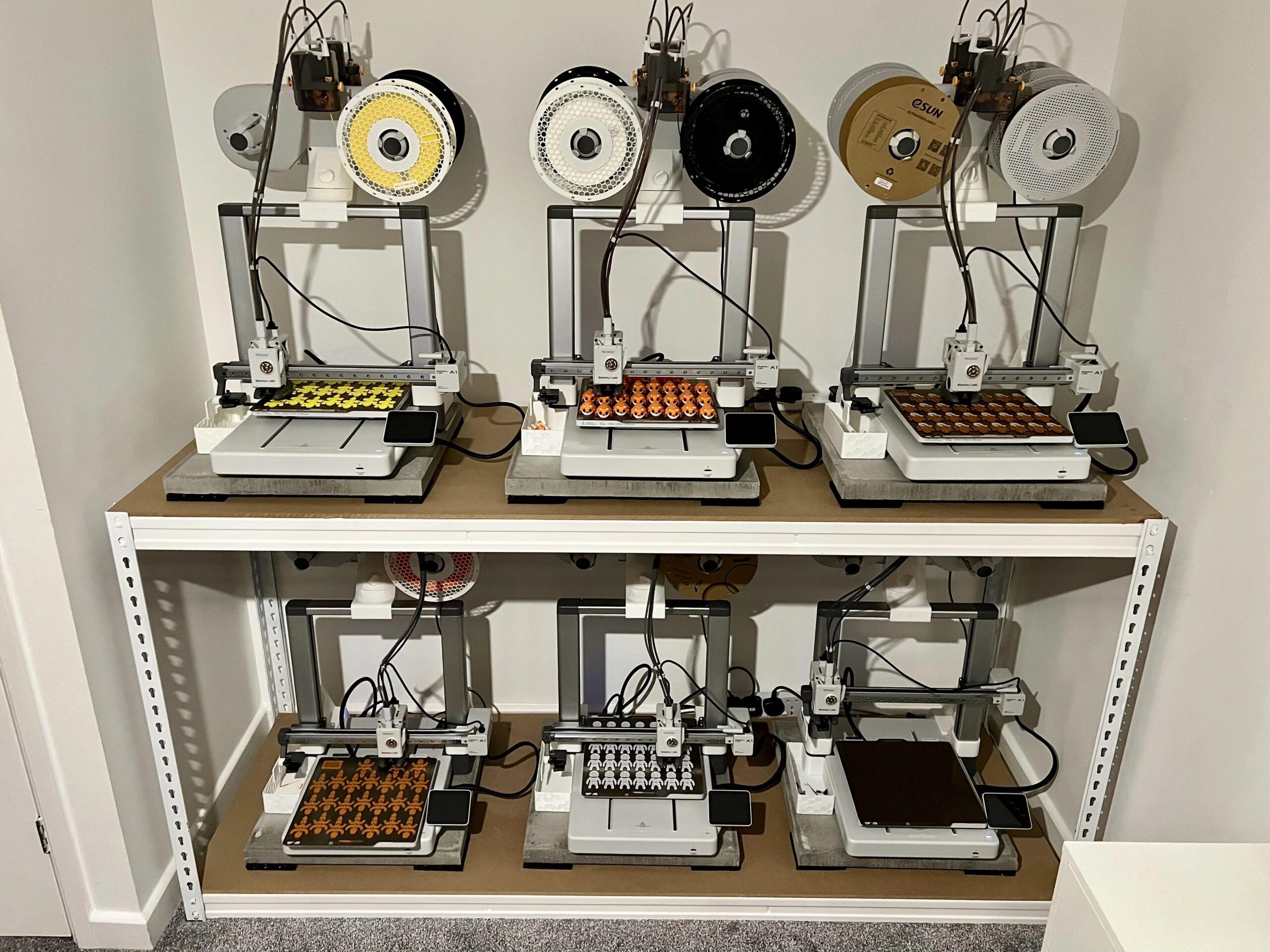
In digital fabrication technology, 3D printing is considered one of the most accessible methods at present. Already, a single machine can accommodate a variety of marketable goods with minimal operating space and consumption of power.
As far as the application of these devices in business, Bambu Lab 3D printers represent a serious standard in this market already. Their speed, level of automation, and print quality make them less prone to failed print jobs and time-consuming tweaking, which is critical for a piece of equipment being used on a daily basis in a business.
Production is based on demand; therefore, companies do not need to hold inventory, which means they can manage cash flow more effectively.
Where 3D Printing Shines
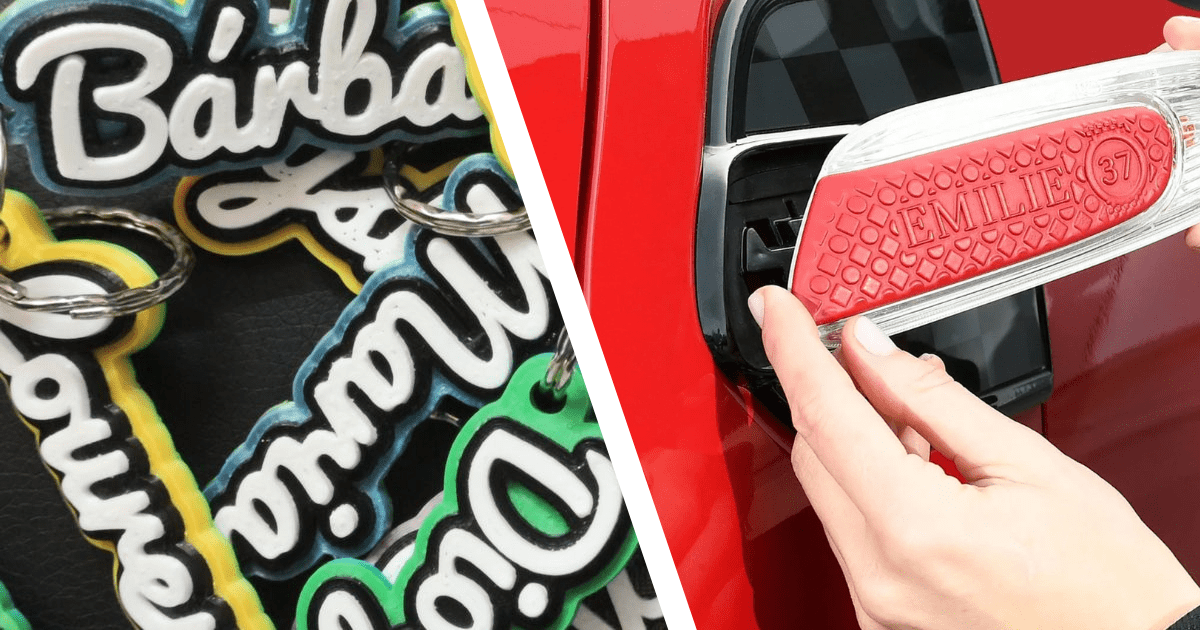
The most profitable 3D printing businesses relate to practical requirements. Custom organizers, functional accessories, and personalized product sales are driven by solving everyday requirements and providing customization.
Replacement parts are another large market. Many household appliances, cars, and tools break down because of small plastic parts which can be cost-prohibitive or hard to come by. With local production, the company can offer a quick fix and profit from convenience rather than volume.
Such services work better in local markets where quick delivery and effectiveness are more valued than economies of scale.
Laser Machines: Low to Medium Cost
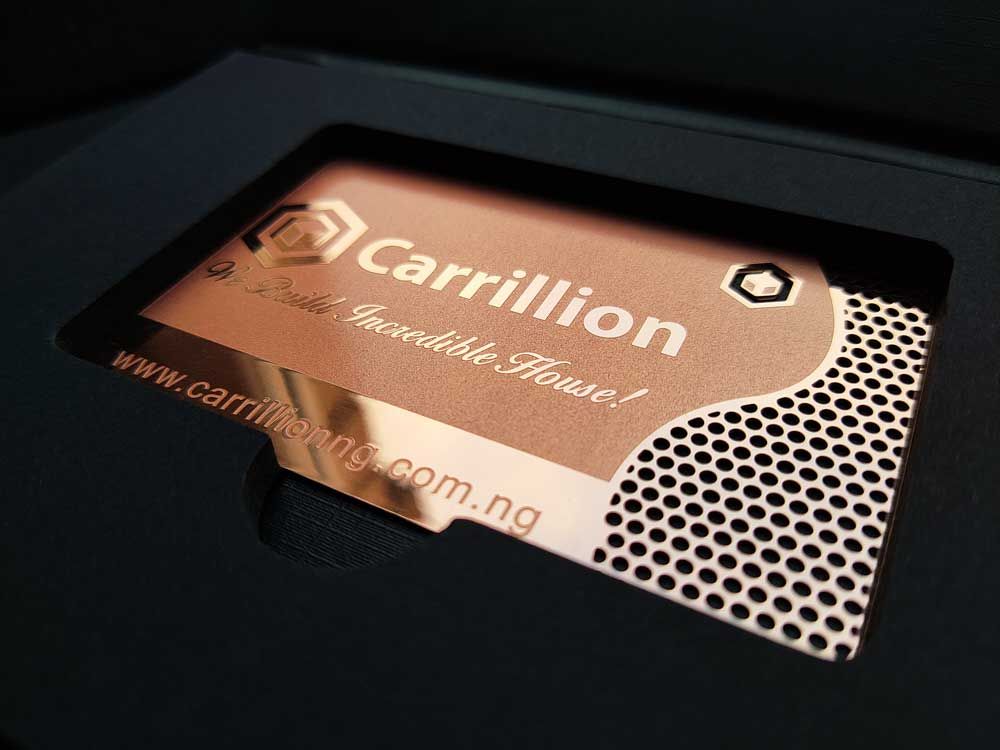
Laser cutters and engravers usually cost less when it comes to investment, which puts them in a small to medium investment category, and they become available to entrepreneurs who are ready to invest a bit higher for aesthetic purposes.
Even when produced with affordable materials, laser-engraved items have a high-end feel. For instance, signs, cards, awards, gifts, and decorations are all priced higher because of their aesthetic and customization. The speed of production and low processing requirements support maintaining a good profit margin.
For companies eager to diversify their product offerings, laser cutters represent a natural and lucrative expansion.
Scaling Smart via Combining Technologies
A lot of companies start with 3D printing technology before incorporating laser cutting when they have increased demand for their products.
The integration of 3D printing and laser engraving leads to a higher quality of products and service diversification. Functional components can be combined with clean branding or engraving, which adds value without a major impact on production cost.
Growth will become measured and controlled rather than rushed.
Why Suppliers and Training Matter more than Machines
Building a successful business not only takes good equipment, but it takes good support behind the equipment. Reliable suppliers allow companies to work faster, make less errors, and be more productive.
A key role in this matter is being played by local suppliers such as Puzzlebox 3D, MakerLab, and OmniFab, which are helping in facilitating makers and entrepreneurs by providing assistance in machine selection, configuration, and technical support.
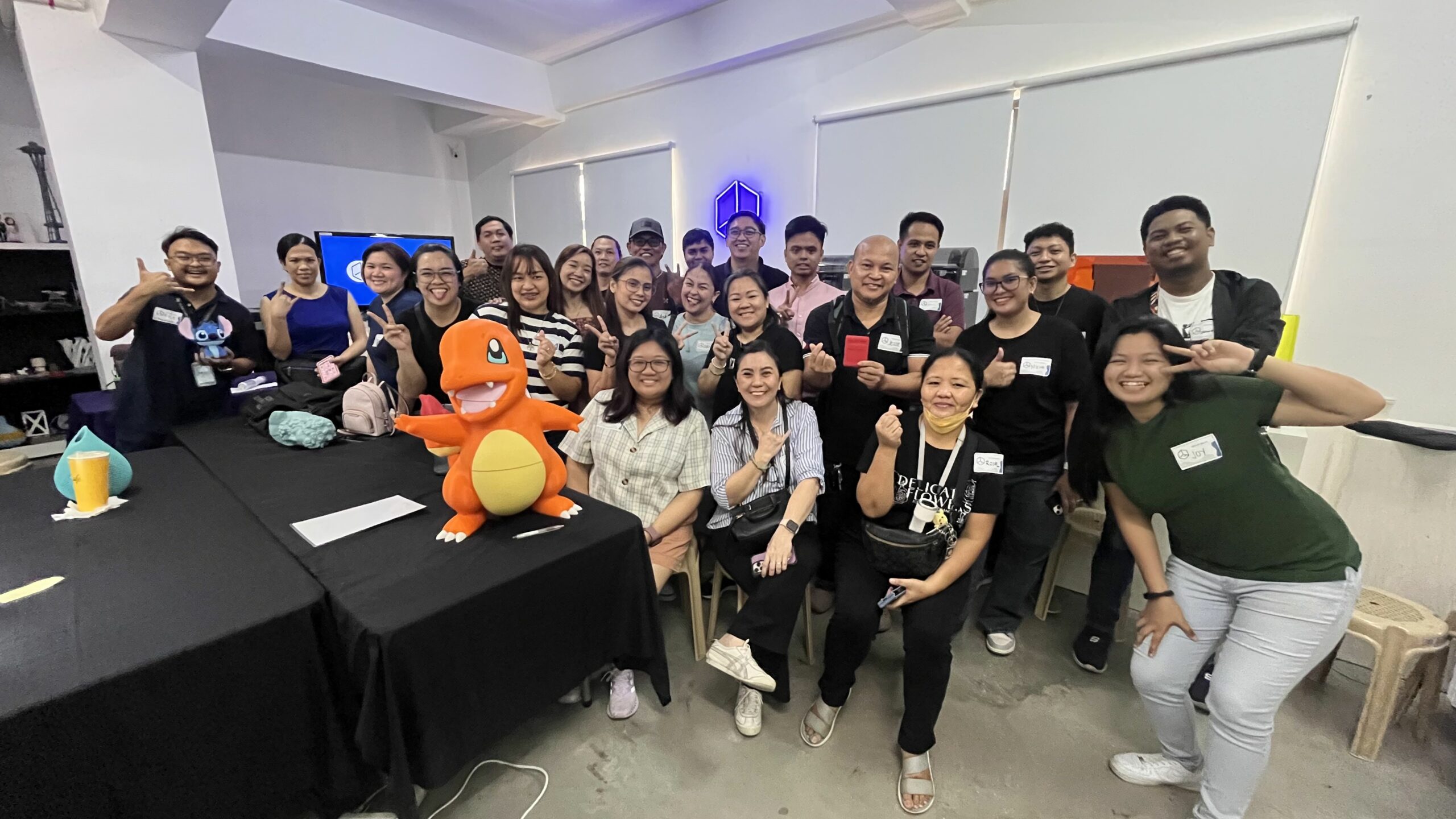
Puzzlebox 3D, as the first Bambu Lab Distributor here in the Philippines, takes this a step further with hands-on workshops and training available for makers, educators, and entrepreneurs. Such training is an added benefit for Puzzlebox 3D users because it will educate them on how the machine works, materials, and so forth. For a beginner, this will reduce the learning curve. For a business on the grow, this will increase efficiency.
Having access to consumables, spare parts, and technical support ensures continuity of production when orders come in. Small businesses can conduct operations with confidence when such support is offered in their locality.
Final Thoughts
A digital fabrication business in 2026 is less about scaling up, and more about strategy. 3D printing, particularly with solid technology such as Bambu Lab, gives access to production at a fraction of cost, and laser technology gives access to higher-end visually oriented projects. With a focused approach, prudent investment, and adequate support from suppliers such as Puzzlebox 3D, MakerLab, and OmniFab, entrepreneurs can establish a flexible business model which can scale up with demand.